Guides / English-speaking dermatologists

English-speaking dermatologists in Tokyo: medical and cosmetic skin care, insurance, and how to book

Last reviewed 14 Oct 2026. All prices are in Japanese yen and include tax unless stated otherwise.
Overview

In Japan, medical dermatology (acne, eczema, rashes, hives, warts, and the removal of a suspicious mole) is usually covered by public health insurance, while cosmetic dermatology is self-pay. If you are enrolled in Japanese health insurance, most adults pay 30% of the official fee; visitors without it pay the full cost, and some clinics charge more. Dermatology clinics whose doctors offer consultations in English include Meguro Dermatology Clinic, Meguro Chen Dermatology Clinic, Garden Clinic Hiroo, and Takadanobaba Dermatology & Plastic Surgery, all of which accept Japanese insurance, and Tokyo Skin Clinic in Roppongi, which does not. Shibuya International Skin Clinic has English-speaking doctors on some shifts. Some clinics charge for English: Takadanobaba adds ¥6,000 plus tax per visit, and Shinagawa Suzuki Dermatology Clinic adds ¥3,300 for consultations in a language other than Japanese. Book ahead and ask which doctor will see you.

01

Medical and cosmetic dermatology are two different systems

Japanese dermatology clinics (皮膚科, hifuka) work under two payment systems. Insurance-covered care (保険診療, hoken shinryo) is for diagnosing and treating disease: eczema and atopic dermatitis, contact dermatitis, acne, hives, fungal infections, warts, cold sores and shingles, psoriasis, and the surgical removal of a mole or cyst that needs it. Prices are set by the national fee schedule, in which one point equals ¥10, so the same visit costs about the same at any clinic. Self-pay care (自由診療, jiyu shinryo) covers everything cosmetic, such as laser hair removal, pigmentation lasers, Botox, fillers, peels, and HIFU, and each clinic sets its own prices.

Many clinics offer both and keep them apart. Under the insurance rules published by the Ministry of Health, Labour and Welfare, a clinic may not bill an uninsured treatment together with the patient's share of insured care for the same course of treatment (so-called mixed care, 混合診療), except in specific cases the government designates. In practice, clinics often use separate booking slots: Meguro Dermatology Clinic books its full-body mole check in the cosmetic counseling slot, and Shibuya International Skin Clinic takes aesthetic treatments by phone only, not through its online booking system. Some services sit on the self-pay side even though a dermatologist provides them: Takadanobaba Dermatology & Plastic Surgery states that a total body skin check is not covered by insurance if you want three or more moles or lesions examined, and it lists male and female pattern hair loss under cosmetic medicine. Shinagawa Suzuki Dermatology Clinic notes that removing a suspicious mole by excision is covered, while removing a mole by laser is self-pay.

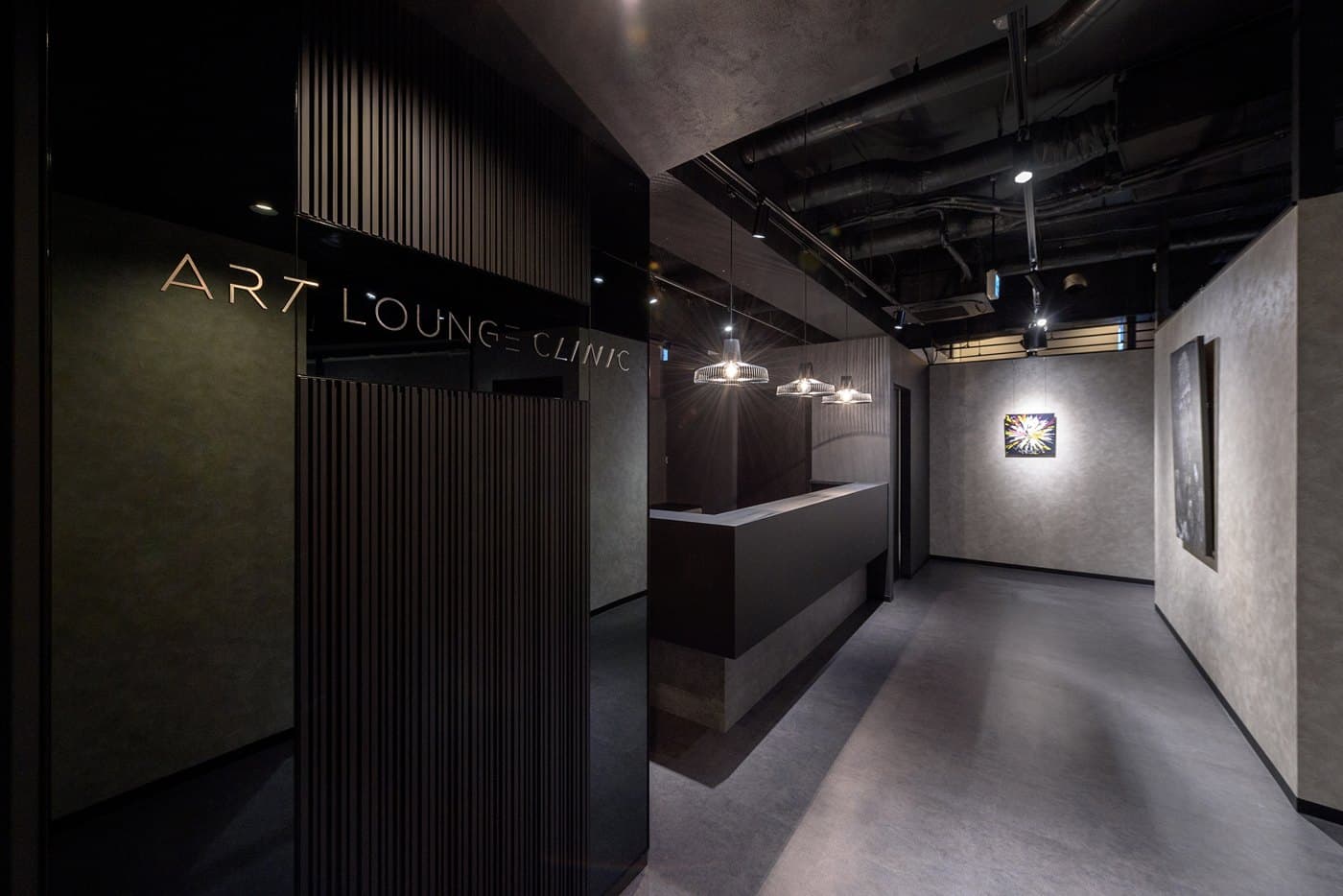
Clinics that do not take Japanese insurance work differently. Tokyo Skin Clinic in Roppongi states that it provides dermatology for expatriates "free from the constraints of Japanese public health insurances", charges by consultation time, and dispenses medication in the clinic. Cosmetic-focused clinics such as Omotesando Rejuva Medical Clinic, Art Lounge Clinic, and Tokyo Ginza Medical Clinic are self-pay only.
02

Health insurance, and what visitors pay

If you live in Japan and are enrolled in National Health Insurance or an employer's health insurance plan, you pay a share of the official fee at the clinic. According to the Ministry of Health, Labour and Welfare, the share is 30% from the start of compulsory education until age 70, 20% for younger children, and 20% for people aged 70 to 74 (30% above a certain income). As an example of the fee schedule, Tokyo Station International Clinic lists the basic initial consultation fee as 291 points, or ¥2,910; tests, procedures, and the prescription fee are added on top.

Visitors and anyone not enrolled in Japanese public health insurance pay the full cost, sometimes described as 10 wari (100%). Some clinics charge more than the fee schedule for uninsured patients: Shibuya International Skin Clinic states that the fee for insurance-type care is doubled for patients not covered by Japanese insurance, while Shinagawa Suzuki Dermatology Clinic charges uninsured patients a consultation fee of ¥11,000 for a first visit and ¥6,600 for a follow-up. The Japan National Tourism Organization (JNTO) advises visitors to carry travel insurance and notes that some policies can be bought after you arrive in Japan. Tokyo Station International Clinic states that it can bill a travel or medical insurer directly only if it receives a certification of payment before your visit; otherwise, you pay and claim later, so keep your receipt and ask for an itemized statement.

Large hospitals are not the place to start. Since October 2022, specified hospitals, including university hospitals and regional medical care support hospitals with 200 or more general beds, charge a special fee of at least ¥7,000 for a first visit without a referral letter, in addition to the regular charges. A clinic can refer you if you need a biopsy, surgery, or specialist care, and Meguro Chen Dermatology Clinic, for example, states that it refers patients who need further examination to nearby medical centers or university hospitals.

03

What to bring

Japan stopped issuing the conventional health insurance card in December 2024, and the old cards could be used until December 1, 2025 at the latest. Insured patients now show a My Number Card registered for health insurance, or the certificate of eligibility (資格確認書, shikaku kakuninsho) that insurers issue to people who have not registered a My Number Card. Clinics such as Meguro Chen Dermatology Clinic and Shibuya International Skin Clinic ask you to bring your insurance document to the first visit.

  • Passport (visitors) or residence card (residents).
  • My Number Card registered for health insurance, or your certificate of eligibility, if you are insured in Japan.
  • A list of the medications you take, with generic names, and any known allergies.
  • Photos of a rash or reaction that comes and goes, and the name of any cream or product you suspect.
  • Travel insurance details, including the policy number and the insurer's assistance phone number.
  • Cash in Japanese yen as a backup: JNTO notes that many clinics accept cash only, and Shibuya International Skin Clinic takes cash only for insurance-covered care.
04

Prescriptions and pharmacies

Most Japanese clinics give you a prescription to take to a pharmacy (薬局, yakkyoku), usually one near the clinic, and you pay the pharmacy separately, as JNTO points out. Insured patients pay their usual share at the pharmacy as well. Some self-pay clinics dispense medication directly; Tokyo Skin Clinic, for example, states that it dispenses medications in the clinic. A doctor in Japan must see you before a prescription can be written: Tokyo Station International Clinic states that it cannot issue a prescription without a consultation, so bring the packaging or the generic name of any cream you used at home if you want something similar.

Some treatments used abroad are self-pay in Japan or not offered at every clinic. Shibuya International Skin Clinic, for example, describes a self-pay metronidazole formula it uses for rosacea. Ask at booking whether the treatment you are expecting is covered by insurance and whether the clinic stocks it.

05

What English support means at a dermatology clinic

As with aesthetic clinics, "English OK" covers several levels. At some clinics, a named doctor offers consultations in English: Meguro Dermatology Clinic (clinic director Dr. Yuko Fukano), Meguro Chen Dermatology Clinic (clinic director Dr. Ko-Ron Chen, the only doctor there who sees patients in English), Garden Clinic Hiroo (Dr. Chin-Huai Keong, who is fluent in English and Japanese), Takadanobaba Dermatology & Plastic Surgery (Dr. Shuji Suzuki), and Tokyo Skin Clinic (Dr. Yuri Okabe and Dr. René du Cloo). At others, English depends on the shift: Shibuya International Skin Clinic marks the sessions when an English-speaking physician is available and asks you to contact the clinic in advance, Meguro Dermatology Clinic states that English is unavailable when a substitute physician is working, and Tokyo Ginza Medical Clinic has an English-speaking doctor on Wednesdays and English-speaking staff on Tuesdays, Thursdays, and Saturdays, and asks patients who come on other days to bring an interpreter.

English can also cost extra. Takadanobaba Dermatology & Plastic Surgery charges insured patients an English Language Consultation Fee of ¥6,000 plus tax per visit, with an extra charge if the consultation runs beyond 10 minutes on the first visit. Shinagawa Suzuki Dermatology Clinic adds ¥3,300 per visit when the consultation is in a language other than Japanese, including when an interpreter or translation device is used. Some clinics have an English website and booking form but do not say who speaks English, as is the case at Imaizumi Skin Clinic in Roppongi. Tokyo Station International Clinic, where English and Chinese are always available, is a primary care clinic: it treats common skin problems but states that it has no specialists and refers patients to one when needed.

If you need help finding a clinic, the Tokyo Metropolitan Government's Himawari service (03-5285-8181) answers in English, Chinese, Korean, Thai, and Spanish every day from 9:00 to 20:00 and can suggest medical institutions that accommodate foreign languages. JNTO also has a searchable list of medical institutions for visitors.

06

How to book: a short checklist

Booking methods vary. Meguro Dermatology Clinic, Shibuya International Skin Clinic, and Shinagawa Suzuki Dermatology Clinic take online bookings; Meguro Chen Dermatology Clinic asks first-time patients to book by phone. Takadanobaba Dermatology & Plastic Surgery sees patients in order of arrival, except for some procedures, Garden Clinic Hiroo is a walk-in clinic for general dermatology, and Tokyo Station International Clinic accepts patients without an appointment but gives priority to those who have one. Cosmetic clinics are usually appointment-only.

  • Decide whether your concern is medical (rash, eczema, acne, a changing mole) or cosmetic (pigmentation, wrinkles, hair removal), and say which when you book.
  • Ask who will see you and whether that doctor offers consultations in English, and on which days.
  • Ask whether the clinic charges a language or interpreter fee.
  • Tell the clinic whether you have Japanese health insurance; if you do not, ask what an uninsured first visit costs.
  • For a full-body mole check, ask whether it is self-pay and whether it needs its own appointment.
  • Check the payment methods: some clinics take cash only for insurance-covered care.
07

Clinic profiles in this guide

Clinics with a full profile on this site, including details confirmed with the clinic, doctors, prices and photos.

08

Dermatology clinics with stated English support

Listed alphabetically, not ranked. "Insurance" means the clinic states that it accepts Japanese public health insurance for medical dermatology. The English column quotes or paraphrases each clinic's official website. "First visit" is shown only where the clinic states a fee.

ClinicAreaCoversEnglish, as stated on the official siteFirst visit
Art Lounge ClinicProfileRoppongi / Azabudaiaesthetic dermatology (self-pay), HIFU (New Doublo), collagen injection, medical art makeupThe director, Dr. Yoko Nakano, offers consultations in English; book in advance and request an English consultation¥3,300
Garden Clinic HirooHiroo / Minami-Aoyamageneral and pediatric dermatology (insurance), skin cancer screening (self-pay), cosmetic dermatology (self-pay), travel vaccinationsDr. Chin-Huai Keong, a dermatologist certified by the Japanese Dermatological Association, is fluent in English and Japanese; English website—
Imaizumi Skin ClinicRoppongigeneral dermatology (insurance), cosmetic dermatology (self-pay), injectables, lasersEnglish website with an English booking form; no statement about who speaks English¥3,300
Meguro Chen Dermatology ClinicMeguro / Kamiosakigeneral dermatology and allergology (insurance), rosacea, atopic dermatitis, acneClinic director Dr. Ko-Ron Chen sees patients in English ("Only Dr. Chen will be available in English"); phone may not be answered in English—
Meguro Dermatology ClinicMeguro / Kamiosakigeneral dermatology (insurance), cosmetic dermatology (self-pay), full-body mole check (self-pay)Clinic director Dr. Yuko Fukano is an English speaker, and English-speaking staff are available; not during substitute physician hours—
Omotesando Rejuva Medical ClinicProfileOmotesando / Minami-Aoyamaaesthetic medicine (self-pay), ACRS and PRP, XERF, Botox and fillersThree doctors offer consultations in English: clinic director Dr. Rena Hirata, Dr. Reiko Sakio, and Dr. Kikuno Onchi¥3,300
Shibuya International Skin ClinicShibuya / Ebisugeneral and pediatric dermatology (insurance), phototherapy, cosmetic dermatology (self-pay)"Some of our doctors and staffs can talk in Chinese and/or English"; English-speaking physician on marked sessions; contact the clinic before your visit—
Shinagawa Suzuki Dermatology ClinicShinagawa (Konan)general and pediatric dermatology (insurance), cosmetic dermatology (self-pay), mole and cyst surgeryEnglish pages; ¥3,300 per visit added for consultations in a language other than Japanese, including with an interpreter or translation device¥11,000
Takadanobaba Dermatology & Plastic SurgeryTakadanobabageneral dermatology (insurance), Mohs surgery for skin cancer, plastic surgery, cosmetic dermatology (self-pay)"English speaking doctor and staff available" (Dr. Shuji Suzuki, board-certified in dermatology and plastic surgery); English Language Consultation Fee for insured patients¥6,600
Tokyo Ginza Medical ClinicGinzacosmetic dermatology and surgery (self-pay), HIFU, Botox, thread liftEnglish-speaking doctor on Wednesdays; English-speaking staff on Tuesdays, Thursdays, and Saturdays; bring an interpreter on other days—
Tokyo Skin ClinicRoppongidermatology and venereology (self-pay), skin cancer screening, skin surgery, lasers and injectablesRun by two multilingual doctors; English phone line; Japanese public health insurance not accepted¥22,000
Tokyo Station International ClinicMarunouchi (Tokyo Station)primary care, including common skin problems (insurance), referral to specialistsEnglish and Chinese always available; primary care clinic with no specialists on site; open daily 9:00 to 21:00—
09

Consultation, language, and skin-check fees side by side

Prices in Japanese yen, tax included unless noted. Only fees stated on official websites are listed. Insurance-covered visits are priced by the national fee schedule and are not listed here.

Shinagawa Suzuki Dermatology Clinic
Language support fee, per visit (insured patients; consultation in a language other than Japanese)
¥3,300
Art Lounge Clinic
Initial consultation (cosmetic)
¥3,300
Imaizumi Skin Clinic
First visit, cosmetic (Japanese price list)
¥3,300
Omotesando Rejuva Medical Clinic
Initial consultation (cosmetic)
¥3,300
Takadanobaba Dermatology & Plastic Surgery
English Language Consultation Fee, per visit, insured patients (¥6,000 plus tax)
¥6,600
Meguro Dermatology Clinic
Full-body mole check (self-pay; examination, dermoscopy, and photography)
¥8,800
Shinagawa Suzuki Dermatology Clinic
Consultation fee, first visit, without Japanese insurance
¥11,000
Tokyo Skin Clinic
Dermocamera assessment, 3 or more lesions or skin cancer screening (¥10,000 before tax)
¥11,000
Tokyo Skin Clinic
Initial consultation, up to 30 minutes (¥20,000 before tax)
¥22,000
10

Frequently asked questions

Can I use Japanese health insurance at a dermatologist in Tokyo?

Yes, for medical problems such as eczema, acne, hives, rashes, fungal infections, warts, and the surgical removal of a suspicious mole, at clinics that accept insurance. Most adults pay 30% of the official fee. Cosmetic treatments are self-pay, and some clinics, such as Tokyo Skin Clinic, do not accept Japanese insurance at all. Bring your My Number Card registered for health insurance or your certificate of eligibility.

How much does a dermatologist cost in Tokyo without Japanese insurance?

You pay the full cost, and some clinics charge more than the national fee schedule. Shinagawa Suzuki Dermatology Clinic charges uninsured patients ¥11,000 for a first-visit consultation, Shibuya International Skin Clinic doubles the fee for insurance-type care, and Tokyo Skin Clinic charges ¥22,000 including tax for an initial consultation of up to 30 minutes. Tests, procedures, and medication are extra. Check your travel insurance before you go.

Which dermatologists in Tokyo offer consultations in English?

According to their official websites: Meguro Dermatology Clinic (Dr. Yuko Fukano), Meguro Chen Dermatology Clinic (Dr. Ko-Ron Chen), Garden Clinic Hiroo (Dr. Chin-Huai Keong), Takadanobaba Dermatology & Plastic Surgery (Dr. Shuji Suzuki), and Tokyo Skin Clinic (Dr. Yuri Okabe and Dr. René du Cloo). Shibuya International Skin Clinic has English-speaking physicians on some shifts. For cosmetic treatment, Omotesando Rejuva Medical Clinic and Art Lounge Clinic have doctors who offer consultations in English.

Is a mole check covered by insurance in Japan?

Examining and removing a mole that a doctor considers suspicious is generally treated as medical care, but a full-body screening often is not. Takadanobaba Dermatology & Plastic Surgery states that a total body skin check is not covered if you want three or more moles or lesions examined. Meguro Dermatology Clinic offers a self-pay full-body mole check for ¥8,800, and Garden Clinic Hiroo offers skin cancer screening by appointment, while a single mole can be checked on a walk-in visit.

Are acne and hair loss treated under insurance?

Acne is treated as a skin disease, and Shibuya International Skin Clinic states that the treatment of most acne, warts, and moles is covered by insurance. Treatments aimed at appearance, such as acne-scar lasers, are self-pay. Pattern hair loss is usually self-pay: Takadanobaba Dermatology & Plastic Surgery lists male and female pattern hair loss under cosmetic medicine, and Garden Clinic Hiroo lists AGA treatment as not covered by insurance.

Do I need an appointment?

It depends on the clinic. Takadanobaba Dermatology & Plastic Surgery sees patients in order of arrival except for some procedures, Garden Clinic Hiroo is a walk-in clinic for general dermatology, and Tokyo Station International Clinic accepts walk-ins but gives priority to patients with appointments. Meguro Chen Dermatology Clinic requires first-time patients to book by phone, and most cosmetic clinics are appointment-only. If you need a doctor who speaks English, book ahead and confirm the day.

About this guide

The information in this guide is taken from each clinic's official website as of 14 Oct 2026. Prices and equipment change, so please confirm with the clinic before booking. Clinics are listed alphabetically and are not ranked.

PlusQ Consulting, the publisher of Tokyo Clinic Edit, provides consulting services to some of the clinics mentioned here; they are identified on their profile pages. No clinic has paid to appear in this guide.

Sources: Meguro Dermatology Clinic — English · Meguro Chen Dermatology Clinic — English · Garden Clinic Hiroo — services · Garden Clinic Hiroo — Dr. Keong · Takadanobaba Dermatology & Plastic Surgery — fees · Shibuya International Skin Clinic — English page · Shinagawa Suzuki Dermatology Clinic — for foreigners · Tokyo Skin Clinic — fees · Tokyo Skin Clinic — the clinic · Imaizumi Skin Clinic — English · Imaizumi Skin Clinic — price list (Japanese) · Tokyo Ginza Medical Clinic — guide for international visitors · Tokyo Station International Clinic — FAQ · Tokyo Station International Clinic — medical fee calculation · Tokyo Station International Clinic — medical expense · Omotesando Rejuva Medical Clinic — English page · Art Lounge Clinic — English page · U.S. Embassy Tokyo — medical resources in Tokyo (dermatology) · Tokyo Metropolitan Government — Himawari medical information service (Japanese) · JNTO — medical guide for visitors · JNTO — search for medical institutions · Ministry of Health, Labour and Welfare — health care insurance (co-payment rates) · Ministry of Health, Labour and Welfare (Hokkaido Regional Bureau) — guide to insurance-covered care, on mixed care (Japanese) · Government of Japan — special fee for large hospitals without a referral (Japanese) · Digital Agency — My Number Card as health insurance card (FAQ)